
Imagine your garden bathed in the warm, inviting glow of solar lights. But what happens when the sun decides to take a vacation, leaving your lights dim and lifeless? It's a familiar frustration for many of us who rely on solar power to illuminate our outdoor spaces.
The reliance on sunshine for solar lights can be a source of disappointment. Overcast days, shady locations, or even just shorter winter days can leave your solar lights underpowered and unable to provide the ambiance you were hoping for. It’s not ideal to have lights that are supposed to be hassle-free become another thing you have to worry about.
This guide will explore alternative methods for charging your solar lights without relying solely on sunlight. We'll delve into various techniques, from using incandescent or halogen lights to employing USB chargers, ensuring your outdoor spaces remain beautifully lit, regardless of the weather. Let's brighten things up!
In this guide, we'll explore ways to circumvent the sun's absence and keep your solar lights shining. We’ll cover everything from using artificial light sources like incandescent bulbs and halogen lamps to harnessing the power of USB chargers and even the brilliance of mirrors. Understanding these alternative charging methods can empower you to maintain a beautifully lit outdoor space, regardless of the weather. We'll also discuss best practices to maximize the lifespan and performance of your solar lights, ensuring they remain a reliable and aesthetically pleasing addition to your home.
Understanding How Solar Lights Work
The target of this section is to educate the reader on the fundamental principles behind solar light operation, enabling them to better understand why alternative charging methods are necessary and how they can be effectively implemented.
I remember when I first got my solar lights. I was so excited to have a sustainable and easy way to light up my patio. I set them up, basked in their glow for a few sunny days, and then…nothing. It was a week of cloudy weather, and my lights were completely dead. I was so frustrated! That's when I started digging into how these things actually work.
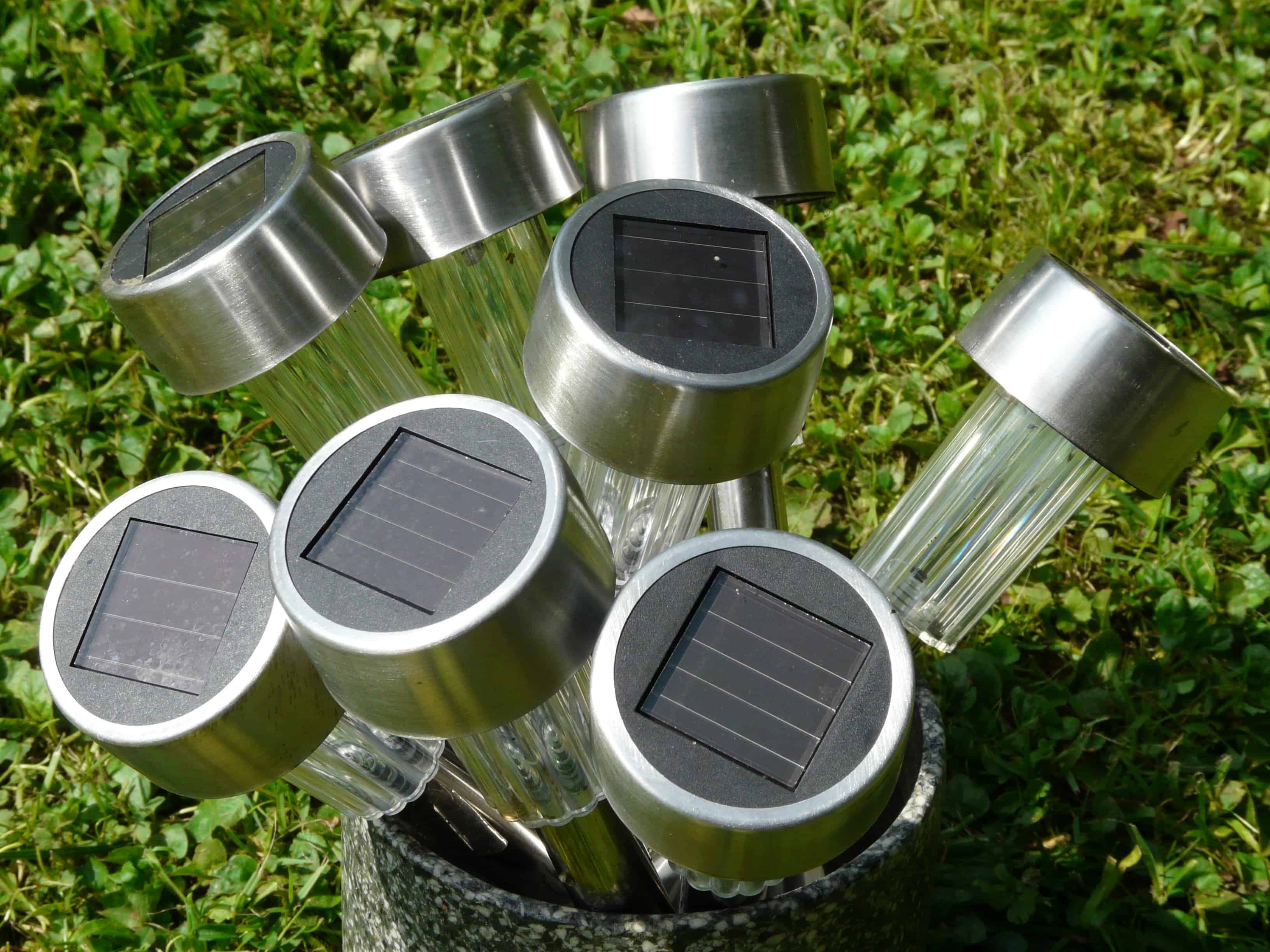
Solar lights are ingeniously simple devices. They consist of a photovoltaic (PV) cell, a rechargeable battery, and an LED light. During the day, the PV cell absorbs sunlight and converts it into electricity. This electricity is then stored in the battery, which powers the LED light at night. The key is the photovoltaic effect: sunlight striking the silicon in the PV cell knocks electrons loose, creating an electric current. The brighter the sunlight, the more electricity is generated and stored.
However, the efficiency of this process depends heavily on the intensity of the sunlight. On cloudy days or in shady areas, the PV cell receives significantly less light, resulting in a lower charge and shorter operating time. This is where the need for alternative charging methods arises. Understanding this basic principle allows us to explore creative ways to “trick” the PV cell into generating electricity, even without direct sunlight. By knowing how solar lights convert light to electricity, we can find other ways to make them work when the sun isn't cooperating. We can improve the performance and longevity of our solar lights with the right information.
Using Incandescent or Halogen Lights
The target of this section is to present incandescent and halogen lights as viable alternatives to sunlight for charging solar lights, providing practical guidance on how to safely and effectively utilize these artificial light sources. This information is valuable for anyone seeking to extend the usability of their solar lights beyond sunny conditions.
One effective way to charge solar lights without sun is to use incandescent or halogen lights. These types of bulbs emit a broad spectrum of light, including wavelengths that can stimulate the photovoltaic cells in solar panels. Here's how it works: position the solar panel of your light close to the incandescent or halogen bulb (but not too close, to avoid overheating). The light from the bulb will act as a substitute for sunlight, exciting the electrons in the solar panel and causing it to generate electricity.
However, it's essential to consider the efficiency and potential drawbacks. Incandescent and halogen bulbs consume a significant amount of energy, making them less environmentally friendly than solar power in the long run. Additionally, they produce heat, which could potentially damage the solar panel if it's placed too close. Therefore, it's crucial to monitor the temperature and adjust the distance accordingly. Furthermore, the charging process might take longer compared to direct sunlight. You may need to leave the light under the artificial source for several hours to achieve a full charge. Despite these considerations, using incandescent or halogen lights can be a useful solution when sunlight is unavailable, ensuring that your solar lights remain functional and your outdoor spaces stay illuminated.
Harnessing the Power of Mirrors
The target of this section is to explain how mirrors can be strategically used to amplify and redirect sunlight, maximizing the charging efficiency of solar lights even in less than ideal conditions. This section aims to empower readers to make the most of available sunlight, enhancing the performance of their solar lights in shady locations or during overcast days.
Believe it or not, mirrors can be your secret weapon for charging solar lights! The principle is simple: mirrors can reflect and concentrate sunlight onto the solar panel, boosting its charging efficiency. This is particularly useful in areas that receive limited direct sunlight or during overcast days when the sun's intensity is weaker. By strategically positioning mirrors around your solar lights, you can effectively increase the amount of light reaching the photovoltaic cells.
To maximize the benefits of this method, consider using multiple mirrors and adjusting their angles to capture the most sunlight throughout the day. Experiment with different mirror sizes and placements to find the optimal configuration for your specific location. Keep in mind that the angle of the sun changes throughout the year, so you may need to readjust the mirrors periodically to maintain peak performance. Furthermore, be mindful of the surrounding environment. Avoid placing mirrors in areas where they could reflect sunlight onto flammable materials or cause glare that could be a nuisance to neighbors or drivers.
Using a USB Charger
The target of this section is to introduce USB chargers as a convenient and efficient method for charging solar lights, particularly those with accessible battery compartments. It provides step-by-step guidance on how to safely and effectively utilize USB chargers, offering a practical solution for keeping solar lights operational even without sunlight.
Some solar lights are designed with accessible battery compartments, allowing you to directly charge the batteries using a USB charger. This method is particularly useful for smaller solar lights or those with detachable solar panels. To charge your solar lights using a USB charger, first, carefully remove the batteries from the solar light. Then, use a compatible USB charger to connect the batteries to a power source, such as a computer or a wall adapter.
It's crucial to ensure that the USB charger's voltage and amperage match the specifications of the batteries to avoid damage or overcharging. Overcharging can significantly reduce the lifespan of the batteries and potentially pose a safety hazard. Monitor the charging process closely and disconnect the batteries once they are fully charged. This method is a convenient and efficient way to keep your solar lights operational, especially during extended periods of cloudy weather or when you need a quick charge.
Maintaining Optimal Battery Health
Tips for Extending Battery Lifespan
The target of this section is to provide actionable advice on how to maintain and extend the lifespan of the rechargeable batteries used in solar lights. By following these tips, readers can ensure their solar lights continue to perform optimally and avoid the need for frequent battery replacements, saving them money and reducing environmental impact.
The longevity of your solar lights hinges on the health of their rechargeable batteries. Here are some key tips to keep them in top condition: First, avoid overcharging the batteries. Once fully charged, disconnect them from the charging source to prevent damage. Second, avoid completely discharging the batteries. Regularly charging them, even on cloudy days, can help maintain their capacity. Third, store your solar lights in a cool, dry place during long periods of inactivity. Extreme temperatures can degrade the batteries.
Consider replacing the batteries every 1-2 years, especially if you notice a significant decrease in performance. Opt for high-quality rechargeable batteries that are specifically designed for solar lights. Furthermore, clean the solar panels regularly to ensure they receive maximum sunlight. Dust and debris can reduce their efficiency. By following these simple tips, you can significantly extend the lifespan of your solar lights' batteries and keep them shining brightly for years to come.
Optimizing Placement for Maximum Charge
The target of this section is to provide practical guidance on how to strategically position solar lights to maximize their exposure to sunlight, even in challenging environments. By implementing these placement strategies, readers can enhance the charging efficiency of their solar lights and ensure they provide optimal illumination.
Even if you're supplementing with alternative charging methods, optimal placement is crucial for maximizing the effectiveness of your solar lights. Start by identifying areas that receive the most direct sunlight throughout the day. South-facing locations are generally ideal in the Northern Hemisphere. Avoid placing your solar lights in shady spots or under trees, as these will significantly reduce their charging efficiency.
Adjusting for Seasonal Changes
Remember that the angle of the sun changes throughout the year. You may need to reposition your solar lights seasonally to ensure they continue to receive adequate sunlight. In the winter, the sun is lower in the sky, so you may need to elevate your solar lights or move them to more open locations. Furthermore, consider the surrounding environment. Reflective surfaces, such as walls or fences, can bounce sunlight onto your solar panels, boosting their charging efficiency. By carefully considering these factors, you can optimize the placement of your solar lights and ensure they receive the maximum amount of sunlight possible, even during the less sunny months.
Fun Facts About Solar Energy
The target of this section is to share intriguing and lesser-known facts about solar energy, making the topic more engaging and relatable for readers. By presenting these fun facts, the section aims to broaden the reader's understanding of solar energy and its potential impact on the environment.
Did you know that solar energy is the most abundant energy source on Earth? The sun provides enough energy to power the entire planet many times over. Or that the first solar cell was invented in 1883 by Charles Fritts, who coated selenium with a thin layer of gold? While it wasn't very efficient, it paved the way for modern solar technology. Another fun fact: solar panels can work even on cloudy days, although at a reduced efficiency. They capture diffuse sunlight, which is scattered by clouds. Furthermore, solar energy is not just for electricity. It can also be used for heating water, cooking food, and even powering vehicles.
The potential of solar energy is immense. As technology continues to advance, solar power is becoming increasingly affordable and accessible. It's a clean, renewable energy source that can help reduce our reliance on fossil fuels and mitigate the effects of climate change. From powering our homes to fueling our cars, solar energy has the potential to transform the way we live and create a more sustainable future.
Troubleshooting Common Issues
The target of this section is to provide practical solutions for resolving common problems encountered with solar lights, such as dimness, short runtimes, or complete failure. By addressing these issues, readers can maintain the optimal performance of their solar lights and extend their lifespan.
Solar lights can sometimes encounter problems, such as dimness, short runtimes, or complete failure. Before resorting to alternative charging methods, it's essential to troubleshoot these common issues. One of the most frequent causes of dimness is a dirty solar panel. Dust and debris can accumulate on the panel, reducing its ability to absorb sunlight. Clean the panel regularly with a soft cloth and mild soap and water. Another common issue is a faulty battery. If your solar light isn't holding a charge, the battery may need to be replaced.
Check the battery compartment for corrosion or damage. If the battery is removable, you can test it with a multimeter to determine its voltage. Short runtimes can also be caused by insufficient sunlight. Make sure your solar light is placed in a location that receives ample direct sunlight. If none of these solutions work, the problem may be with the internal circuitry of the solar light. In this case, it may be necessary to replace the entire unit.
What if My Solar Lights Still Don't Work?
The target of this section is to provide a comprehensive guide on what to do when solar lights continue to malfunction despite implementing alternative charging methods and troubleshooting common issues. It offers advice on when to seek professional assistance or consider replacing the lights altogether.
Even after trying alternative charging methods and troubleshooting common issues, some solar lights may still fail to function properly. In these cases, it's important to consider the age and quality of your lights. If your solar lights are several years old, the internal components may have simply worn out. Low-quality solar lights are also more prone to failure.
Before giving up completely, try contacting the manufacturer or retailer for assistance. They may be able to offer troubleshooting tips or provide a warranty replacement. If you're comfortable with electronics, you can attempt to repair the solar light yourself. However, this should only be done if you have the necessary skills and tools. If all else fails, it may be time to replace your solar lights. When purchasing new solar lights, opt for high-quality models from reputable brands. These lights are more likely to last longer and perform better.
Top 5 Tips for Maximizing Solar Light Performance
The target of this section is to consolidate the key takeaways from the article into a concise list of actionable tips for maximizing the performance of solar lights. This list serves as a quick reference guide for readers to easily implement the discussed strategies and ensure their solar lights operate at their full potential.
Here's a handy list of tips for keeping your solar lights shining brightly:
- Regularly clean the solar panels: Dust and debris can significantly reduce their efficiency.
- Optimize placement: Ensure your solar lights receive ample direct sunlight.
- Maintain battery health: Avoid overcharging or completely discharging the batteries.
- Consider alternative charging methods: Use incandescent or halogen lights, mirrors, or USB chargers when sunlight is limited.
- Replace batteries as needed: Opt for high-quality rechargeable batteries every 1-2 years.
By following these tips, you can maximize the performance and lifespan of your solar lights, ensuring they continue to illuminate your outdoor spaces beautifully.
Question and Answer
Q: Can I use LED lights to charge my solar lights?
A: While LED lights emit light, their intensity and spectrum are not ideal for effectively charging solar panels. Incandescent or halogen lights are more effective due to their broader light spectrum.
Q: How long should I charge my solar lights under artificial light?
A: The charging time will vary depending on the intensity of the light source and the size of the solar panel. Generally, it takes several hours to achieve a full charge.
Q: Can I overcharge my solar lights using a USB charger?
A: Yes, overcharging can damage the batteries. It's crucial to use a USB charger that matches the battery specifications and disconnect the charger once the batteries are fully charged.
Q: Are there solar lights that don't require direct sunlight?
A: All solar lights require some form of light to charge. However, some models are designed to be more efficient at capturing diffuse sunlight, making them suitable for partially shaded areas. Using the alternative methods described here will also help in low-light conditions.
Conclusion of Charging Solar Lights Without Sun: Alternative Methods & Best Practices
While solar lights are designed to harness the power of the sun, there are several alternative methods you can use to keep them charged and shining brightly, even without direct sunlight. By understanding how solar lights work and implementing these techniques, you can enjoy a beautifully lit outdoor space regardless of the weather. Remember to prioritize battery health, optimize placement, and troubleshoot common issues to ensure your solar lights continue to perform optimally.